Admin
Admin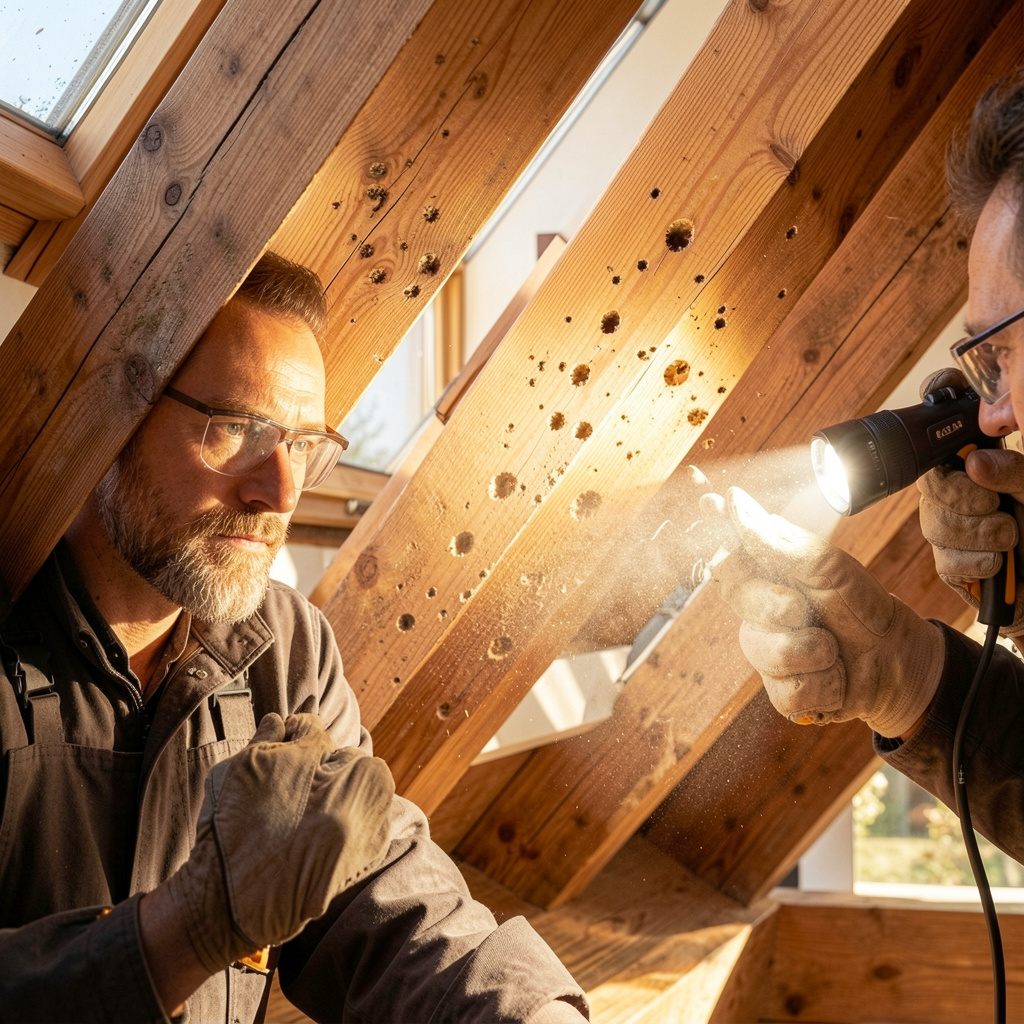
Woodworm is one of the most common causes of timber damage in homes, antique furniture, and historic buildings. Yet many homeowners struggle to identify the early signs of an infestation. One of the first and most noticeable indicators is the appearance of woodworm holes. These tiny openings may seem harmless at first glance, but they can signal years of hidden damage occurring beneath the surface of the wood.
The challenge is that not every small hole in wood is caused by woodworm. Natural imperfections, nail holes, or old hardware marks can look similar. Understanding what genuine woodworm holes look like—and how to tell whether an infestation is active—can help you take action before serious structural damage occurs.
In this guide, we’ll explain everything you need to know about woodworm holes, including their appearance, size, causes, and what to do if you find them in your home.Visit online https://www.shashel.eu for more details.
What Are Woodworm Holes?
Despite the name, woodworm is not actually a worm. The term refers to the larvae of wood-boring beetles, such as the Common Furniture Beetle, Deathwatch Beetle, House Longhorn Beetle, and Powderpost Beetle.
Adult beetles lay eggs on or inside timber. After hatching, the larvae tunnel through the wood while feeding for several years. Once they complete their development, they emerge as adult beetles by chewing their way out of the timber.
The holes left behind are known as exit holes, not entry holes. These small openings are the visible evidence that a beetle has completed its life cycle inside the wood.
What Do Woodworm Holes Look Like?
Woodworm holes are generally easy to recognize once you know what to look for.
Typical characteristics include:
- Small and perfectly round
- Clean-edged openings
- Usually between 1 mm and 3 mm in diameter
- Evenly distributed or clustered in affected areas
- Often found in softwood but can also appear in hardwood
Fresh holes usually have a light-colored appearance because newly exposed wood has not yet darkened with age or dust.
Older holes often become darker and blend into the surrounding timber over time.
Why Are the Holes So Small?
Many people expect significant damage to leave large openings, but woodworm holes are surprisingly tiny.
The size of the exit hole depends on the species of beetle responsible.
For example:
- Common Furniture Beetle: Approximately 1–2 mm holes
- Deathwatch Beetle: Around 2–3 mm holes
- House Longhorn Beetle: Up to 6 mm holes
- Powderpost Beetle: Around 1–2 mm holes
Although the holes themselves are small, the network of tunnels hidden inside the timber may be extensive.
Where Are Woodworm Holes Commonly Found?
Woodworm can attack many different wooden items throughout a property.
Common locations include:
Wooden Furniture
Inspect:
- Tables
- Chairs
- Cabinets
- Wardrobes
- Bookshelves
- Antique furniture
Older furniture made from untreated timber is particularly vulnerable.
Floorboards
Look along:
- Floorboard edges
- Under carpets
- Around skirting boards
- Near damp areas
Roof Timbers
Roof spaces often remain undisturbed for years, making them ideal environments for wood-boring beetles.
Check:
- Rafters
- Joists
- Roof trusses
- Loft flooring
Doors and Window Frames
Although less common, untreated wooden frames may also develop woodworm holes if exposed to damp conditions.
Fresh vs. Old Woodworm Holes
Not every hole indicates an active infestation.
Understanding the difference between fresh and old exit holes is essential.
Fresh Woodworm Holes
Fresh holes generally have:
- Sharp, clean edges
- Light-colored exposed wood
- Fine powder (frass) nearby
- Newly emerged beetles during spring or summer
Fresh holes suggest that beetles have recently completed their development inside the timber.
Old Woodworm Holes
Older holes usually have:
- Darkened edges
- Dust or dirt inside
- No fresh frass
- No signs of new activity
Old holes may simply indicate a past infestation that has already ended.
What Is Frass?
One of the best ways to determine whether woodworm holes are active is by looking for frass.
Frass is a fine powder produced by woodworm larvae as they tunnel through timber.
Fresh frass is typically:
- Cream-colored
- Dry
- Powdery
- Similar to fine sawdust
If fresh frass continues to appear beneath holes after cleaning, the infestation may still be active.
Do More Holes Mean More Damage?
Not necessarily.
A single piece of timber may contain dozens of exit holes while remaining structurally sound.
Conversely, wood with relatively few visible holes may contain extensive internal tunneling.
The true extent of damage depends on:
- Length of infestation
- Beetle species
- Moisture levels
- Type of timber
- Number of larvae feeding inside
Because most damage occurs beneath the surface, professional inspection is often recommended.
How to Check If the Infestation Is Active
If you discover suspicious holes, follow these steps:
Clean the Area
Remove any dust or existing frass from around the timber.
Monitor for New Frass
Check periodically over several weeks.
Fresh powder appearing beneath holes often indicates active larvae.
Look for Adult Beetles
During late spring and summer, watch for small brown beetles near windows, furniture, or wooden beams.
Mark Existing Holes
Using a pencil or removable tape, note the location of existing holes.
If new holes appear later, this is a strong indication of ongoing infestation.
Can Woodworm Holes Be Repaired?
Yes, but only after confirming the infestation has been eliminated.
Once treatment is complete, minor holes can be repaired using:
- Wood filler
- Wax repair sticks
- Sanding
- Staining
- Painting or varnishing
For antique furniture, restoration should be carried out carefully to preserve its original appearance.
Severely weakened timber may require replacement rather than cosmetic repair.
How to Prevent New Woodworm Holes
Prevention is the best way to protect your timber.
Effective measures include:
- Keep wood dry and well ventilated.
- Repair roof and plumbing leaks promptly.
- Reduce indoor humidity.
- Treat exposed timber with suitable wood preservatives.
- Inspect furniture and structural timber regularly.
- Store wooden furniture away from damp environments.
Routine maintenance greatly reduces the likelihood of future infestations.
When Should You Call a Professional?
Professional advice is recommended if:
- Fresh holes continue appearing.
- Large amounts of frass are present.
- Structural beams are affected.
- Timber feels soft or unstable.
- Multiple rooms show signs of infestation.
- You’re uncertain whether the damage is active.
A timber preservation specialist can identify the beetle species, determine whether treatment is necessary, and recommend the most appropriate solution.
Common Myths About Woodworm Holes
Several misconceptions often lead homeowners to underestimate the problem.
Myth 1: Every small hole means there’s an active infestation.
False. Many holes are left from old infestations that are no longer active.
Myth 2: Large holes always indicate severe damage.
Not necessarily. Damage depends on the extent of internal tunneling, not just the size or number of exit holes.
Myth 3: Painting over woodworm holes solves the problem.
No. Covering the holes may improve appearance, but it does not eliminate larvae inside the timber if the infestation is still active.
Conclusion
Woodworm holes are one of the earliest visible signs of a wood-boring beetle infestation, but understanding what they actually look like is crucial. Genuine woodworm holes are small, round exit holes that range from 1 mm to 3 mm in diameter, often accompanied by fine powdery frass. While old holes may simply be evidence of a past infestation, fresh holes and new frass can indicate ongoing beetle activity.
Regular inspections, proper moisture control, and prompt treatment are essential for protecting wooden furniture and structural timber. If you’re unsure whether the holes in your wood are active or historical, seeking a professional assessment is the safest way to prevent further damage and preserve the integrity of your home.